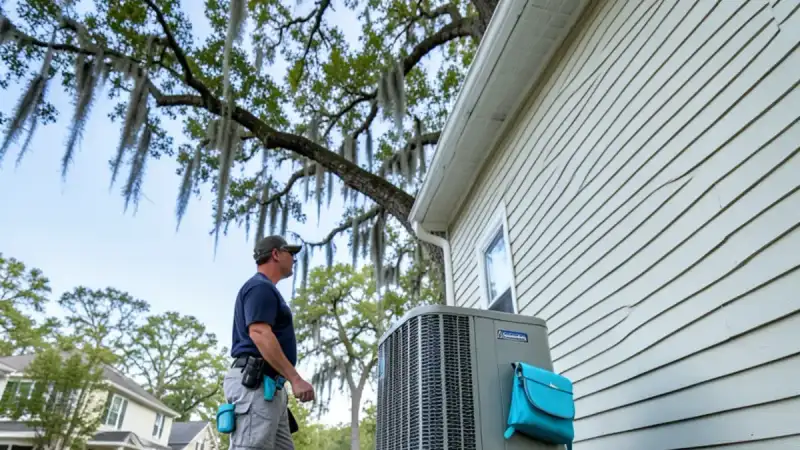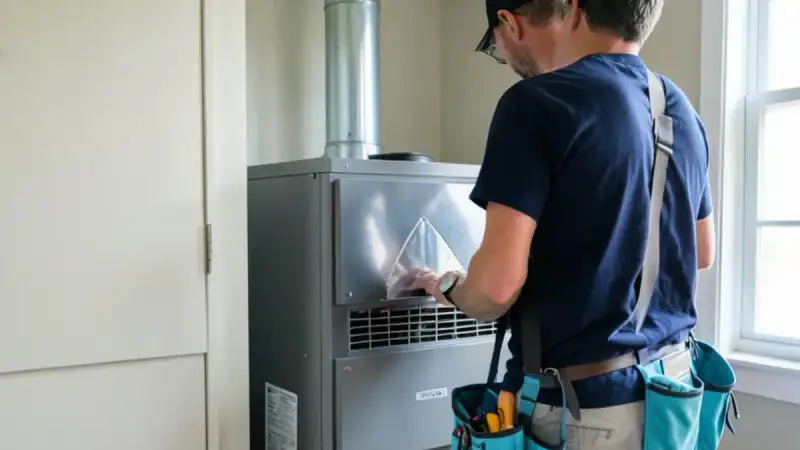
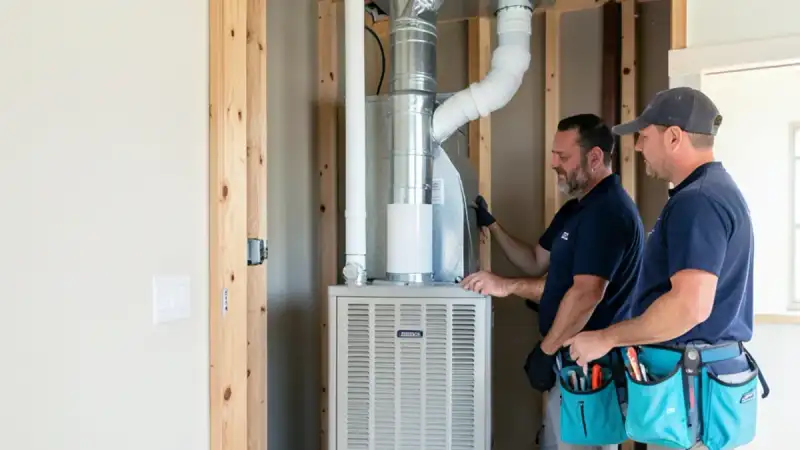
Furnace Installation in Charleston, SC
Adding heat to a new build, an addition or a home that never had a furnace? We size it, plan the venting and supply, and quote before work begins.
- 4.9★ on Google (16 reviews)
- Open 24 hours, 7 days
- Clear, upfront quotes
Furnace installation in Charleston means putting heat where there is no working system to swap: a new build, an addition, a home with no central heat or a house moving to gas. Aero Air Techs sizes the furnace from a load calculation, plans the venting and supply, and puts the full scope on a line-itemed quote before any work starts.
Already have a furnace that has failed or aged out? Furnace replacement is the better page for you, since that job is mostly a decision about what to keep.
Gas, electric or heat pump: which fits a new system here?
Start with fuel, because it rules out options fast. Electricity heats about 71% of South Carolina households, natural gas about 23% and propane about 3%, according to EIA's 2023 state data. Gas is the exception here, so confirm it reaches your address before you plan around it.
| Option | Works well when | Watch for |
|---|---|---|
| Gas furnace | Gas reaches the house and you want a separate heat source beside a central AC | Venting, gas piping and a CO alarm |
| Propane furnace | No gas service, and a tank can sit on the lot | Tank placement and fuel deliveries |
| Electric furnace | All-electric home with low heating demand and a tight install budget | High power bills during a long cold snap |
| Heat pump | All-electric home that needs cooling too | Outdoor unit care, especially in salt air |
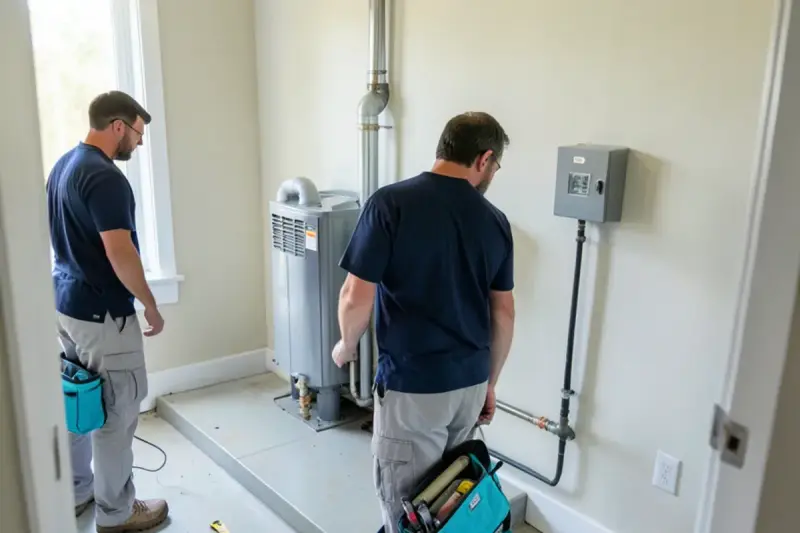
If cooling is also on your list, price a heat pump installation next to the furnace. It handles both jobs with one system, which is a big reason it is so common in the Lowcountry. Our post on heat pump vs furnace in South Carolina walks through that choice.
How does furnace sizing work?
Size the furnace from the house, not from the square footage. A Manual J load calculation works out how much heat each room loses, based on insulation, windows, air leaks and layout. Manual S then matches real equipment to that number.
This matters more in a mild climate. Our winters are short with occasional freezes, so a furnace picked by an inland rule of thumb can come out far too big. Oversized furnaces reach temperature fast, shut off and start again, which wears parts and leaves rooms uneven.
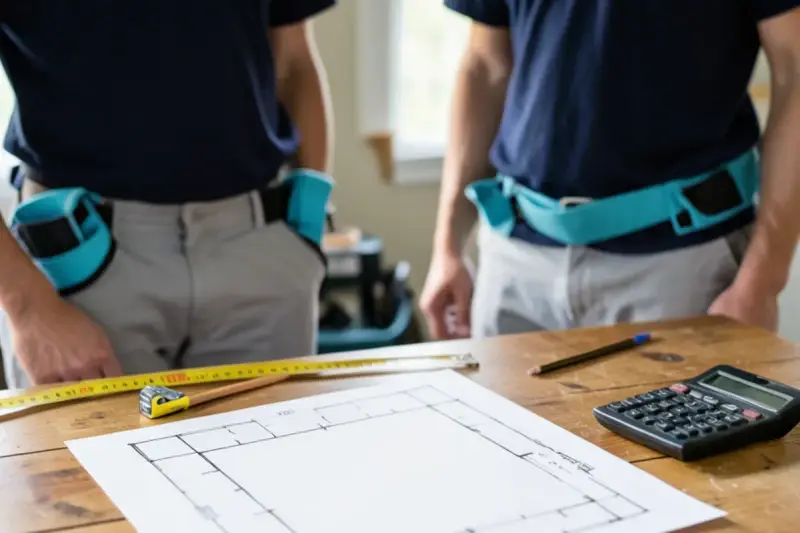
Since January 1, 2023, South Carolina has used the 2021 residential code with state amendments, and that code points to Manual S and Manual J for equipment sizing. Ask any contractor bidding your job whether the number on the quote came from a calculation.
Airflow belongs in the same conversation. The furnace blower moves your cooling air too, and in this climate it does that for most of the year. A furnace that heats correctly but starves the AC coil is still the wrong furnace.
Furnace installation in Charleston attics, closets and raised homes
Three spots cover most jobs, and each one brings its own rules.
Attics
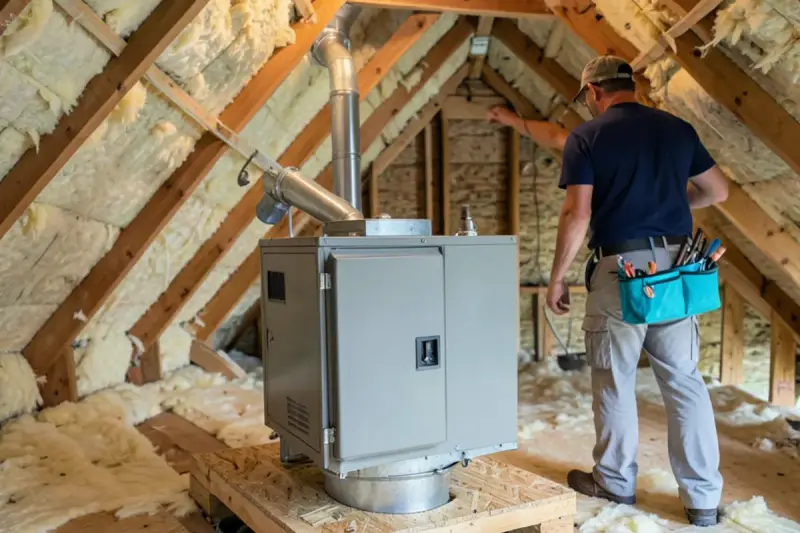
Attics keep equipment out of the way and out of flood water, but they punish poor planning. Plan for a solid platform, a clear service path and a drain pan where water could reach a finished ceiling. Summer heat up there makes every later service visit harder, so access matters.
Closets
Hallway and utility closets are easy to reach, and tight to work in. A gas furnace in a closet needs enough combustion air, and a louvered door or dedicated openings may be part of the design. Check the manufacturer's clearances before you plan any shelving nearby.
Under raised homes
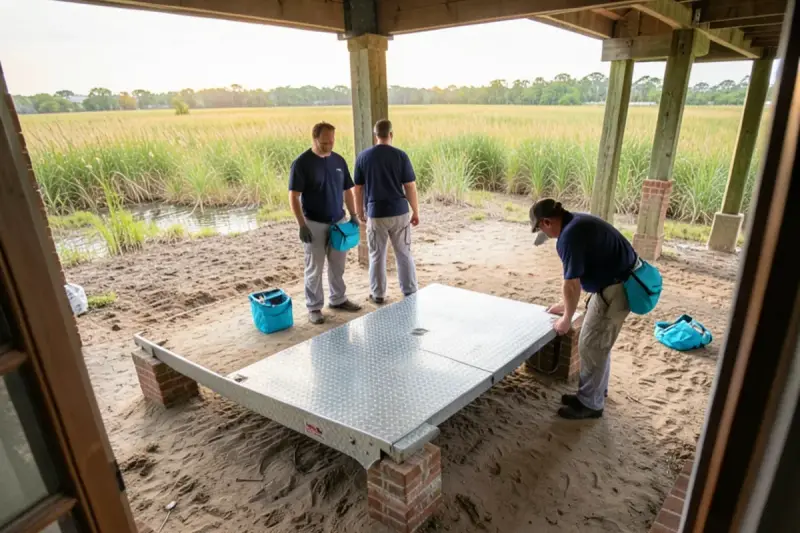
Be careful here. In the Special Flood Hazard Area, City of Charleston guidance requires machinery and equipment, including HVAC units and ductwork, to be raised to the Design Flood Elevation. Charleston County sets its own rule for replacement equipment, and towns write their own. Check the flood zone before any equipment goes below the living floor.
Request a quote
Calling is the fastest way to reach us: (831) 461-3437. If you would rather write it down, send the details here.
What a new furnace installation should include
Ask for each of these in writing, so you can compare bids on equal terms.
- A load calculation, or a stated reason for skipping one
- Furnace model number, AFUE rating and capacity
- Venting route, combustion air plan and condensate drain, if any
- Gas piping or electrical work, including who does it
- Duct connections, and any duct repair or new ductwork
- Thermostat wiring and setup
- How the permit and inspection are handled
- Manufacturer warranty terms and any registration steps
Gas furnace install, from layout to first heat
Most gas furnace installs follow the same order.
- Confirm the plan. We walk the location, the vent route and the supply again.
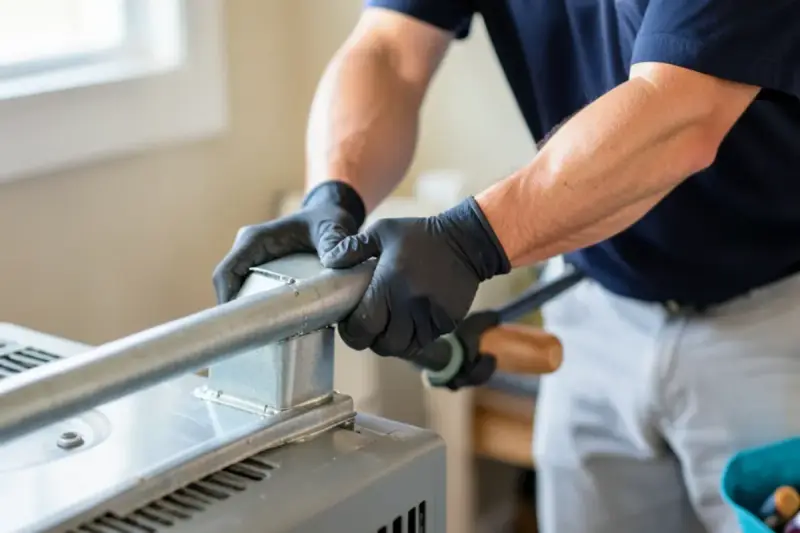
- Set the equipment. The furnace goes on its platform or stand, level and with room to service it.
- Connect the ducts. Supply and return plenums get fastened and sealed.
- Run the venting. Flue or PVC vent goes in with the correct slope and clearances.
- Connect fuel and power. Gas connections are leak tested, and electrical work follows code.
- Start and measure. We check gas pressure, temperature rise, airflow and safety switches against the manufacturer's numbers.
- Review it together. We go over the filter, the thermostat and the shutoffs, and you keep the paperwork.
A CO alarm belongs in the plan as well. CPSC recommends one in the hallway near bedrooms, and your local building office can tell you what code requires for your project.
Rules and efficiency floors to confirm
The federal efficiency floor is the first number to check. In the South, DOE has set 80% AFUE as the floor for non-weatherized gas furnaces. AFUE is the share of the fuel's heat that reaches your house. A later DOE rule raised the standard for future furnaces, but sources conflict on its current status, so confirm the current federal minimum before you buy.
Ninety-percent-plus furnaces are condensing models. They vent through plastic pipe and need a drain, which changes where the furnace can go.
Permits belong to each town and county. The City of Charleston handles mechanical trade permits through Form 5.1 at its Permit Center on George Street. Ask your office what applies, and ask any contractor for a license number you can check on the SC LLR lookup.
What shapes furnace cost on a new install?
No two installs carry the same scope, and these items move the number most.
- Fuel supply. A new gas line or a larger electrical circuit adds real cost.
- Efficiency. Higher AFUE models and multi-stage blowers cost more up front.
- Venting. Long or awkward routes take more material and time.
- Ductwork. A house with no ducts is a much larger job than a house with sound ones.
- Location. Attics and raised platforms take more labor than a closet.
For third-party figures, see our furnace cost guide. We quote your house before work begins.
Why talk to Aero Air Techs about a new furnace?
You should know what you are buying and why it was chosen for your house.
- 4.9★ on Google (16 reviews), counted in October 2026.
- Clear scope. A customer's review says they "clearly explained the necessary work."
- Careful work. A second reviewer said the visit "Paid attention to detail."
- Clear, upfront quote. You see the line items first.
“They arrived promptly, clearly explained the necessary work, and completed everything efficiently. Extremely professional—I highly recommend them!”
“They came on time, explained everything that needed to be done and the work was done in a timely manner. Very professional and would definitely recommend them!”
“We called Cris and he came right over. He was knowledgeable about our unit and fixed it in a matter of minutes. His professionalism was top notch and we will be calling him for any AC issues moving forward. Highly recommended. I wish I could give more than 5 stars!”
4.9 out of 5 from 16 Google reviews (checked October 2026). Read more reviews · Leave a review
New furnaces around Charleston
Based in Charleston, we install across the surrounding areas, including Moncks Corner, Ravenel and North Charleston. Tell us what the house has now, and we will talk through what makes sense.
Fuel, cold and paperwork change the plan from town to town.
- Moncks Corner: inland nights run colder than the peninsula, so heating capacity gets a harder look.
- Ravenel: zoning comes first at Town Hall, then the county handles the building side.
- North Charleston: the city runs its own mechanical permits from City Hall Lane, so confirm what yours needs.
- Summerville: the first frost here averages November 12, among the earliest on our map.
- Goose Creek: check the city's permit list before a new gas line goes in.
- Ladson: with no town hall, your county decides the permit path.
- Walterboro: freezes arrive weeks ahead of the coast, and separate mechanical permits apply.
- Hollywood: confirm the fuel available at your address before choosing a model.
- Hanahan: a closet install in a brick ranch often comes down to vent routing.
Questions about this service
Does a Charleston home need a furnace at all?
Not always. Winters here are short, and many homes run on a heat pump with electric backup. A furnace makes the most sense when gas already reaches the house, or when you want a separate heat source paired with a central AC. We can talk through both after we look at the fuel supply and your existing ducts.
How do you size a new furnace?
With a Manual J load calculation rather than a square footage rule. It accounts for insulation, windows, air leaks, direction and room layout. Charleston's mild winters mean a house often needs less heat than an inland rule of thumb suggests, and an oversized furnace can run short cycles. We also check that the blower can move the air your cooling needs.
Can I add a gas furnace if my house has no gas line?
Sometimes. Ask your gas utility whether service reaches your street and what a new connection involves, because availability varies by address around Charleston. Propane is another route where a tank can be placed. If neither works out, an electric furnace or a heat pump avoids the question, and we can compare those on one quote.
How long does a furnace installation take?
A simple install where ducts, venting and supply already exist often takes about a day. A new gas line, new ductwork, an attic platform or a permit inspection can stretch it across more days. Your quote should list the scope, and we will tell you up front if a part or inspection could change the schedule.
Is a gas furnace safe in an attic?
Yes, when it is installed to the manufacturer's instructions and local code, with correct venting, combustion air, clearances and a working CO alarm in the home. Attics around Charleston get extremely hot in summer, so plan for service access and a drain pan where a condensing model or AC coil sits above finished ceilings.
Sources
- U.S. EIA, South Carolina state energy data
- Federal Register, energy conservation standards for consumer furnaces, December 2023
- SC LLR, Building Codes Council code adoption
- Green Building Advisor, who can perform load calculations
- Charleston County Building Inspection Services, Flood Plain
- City of Charleston, Building Construction in Flood Zones
- CPSC, annual furnace inspection and CO alarm release
- SC LLR license lookup
Related services
Furnace Replacement
Clear options when an aging furnace stops paying its way, gas or heat pump.
Heat Pump Installation
Year-round heating and cooling, sized for the house and sited for salt and flood.
Duct Repair and Replacement
Leaks sealed and failed runs rebuilt in attics and crawl spaces, with airflow checked.