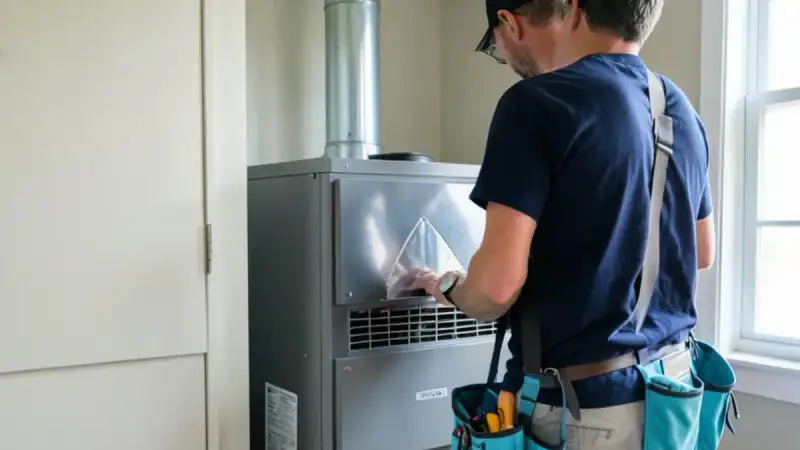
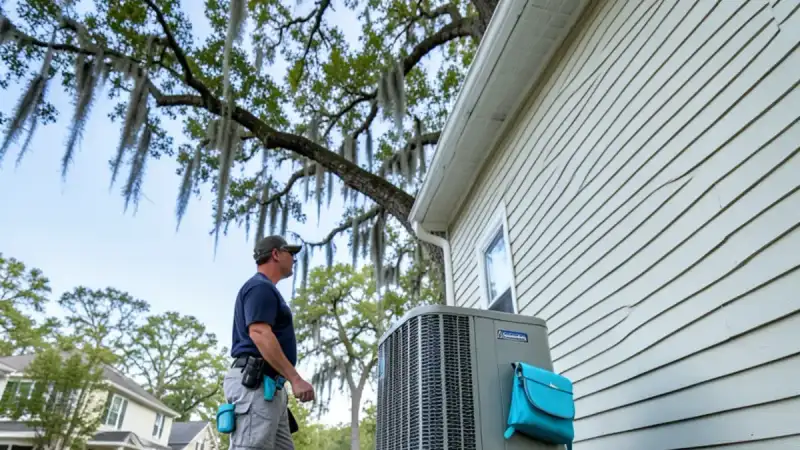
Heat Pump vs Furnace: Which Fits a South Carolina Home?
Mild winters and all-electric houses favor a heat pump here. A gas furnace still makes sense at some addresses, and the table below shows which.
- 4.9★ on Google (16 reviews)
- Open 24 hours, 7 days
- Clear, upfront quotes
By the Aero Air Techs team. Published October 30, 2026, updated October 31, 2026.
Heat pump vs furnace in South Carolina usually comes down to what your address already has. If the house is all-electric, a heat pump is normally the natural fit. If gas already reaches a working furnace and you like hot air on freezing mornings, a furnace can still earn its place.
The climate leans one way. Winters here are mild with occasional freezes, and summers demand a strong cooling system no matter what you pick. The U.S. Department of Energy says heat pumps can be an energy-efficient alternative to furnaces and air conditioners in moderate climates. That still leaves a real choice, so compare the two on what your home actually has.
Heat pump vs furnace in South Carolina at a glance
A heat pump moves heat. In winter it pulls heat from outdoor air and brings it inside, and in summer it runs the other way and cools the house. A furnace makes heat by burning fuel or running electric elements, and it needs a separate AC for summer.
| Factor | Heat pump | Gas furnace with AC |
|---|---|---|
| Fuel | Electricity | Natural gas or propane, plus electricity |
| Summer cooling | Same system does both jobs | Needs a separate AC |
| Outdoor equipment | One unit, runs all year | AC condenser, summer only |
| Federal efficiency floor | 14.3 SEER2 and 7.5 HSPF2 for split systems in the Southeast (DOE) | 80% AFUE for non-weatherized units in the South; confirm the current federal minimum |
| Supply air feel | Warm, with longer run times | Hotter air in shorter bursts |
| Cold snaps | Output drops as it gets colder, so backup heat steps in | Output holds steady |
| Venting and fuel safety | No flue or combustion | Flue, gas line and carbon monoxide alarms |
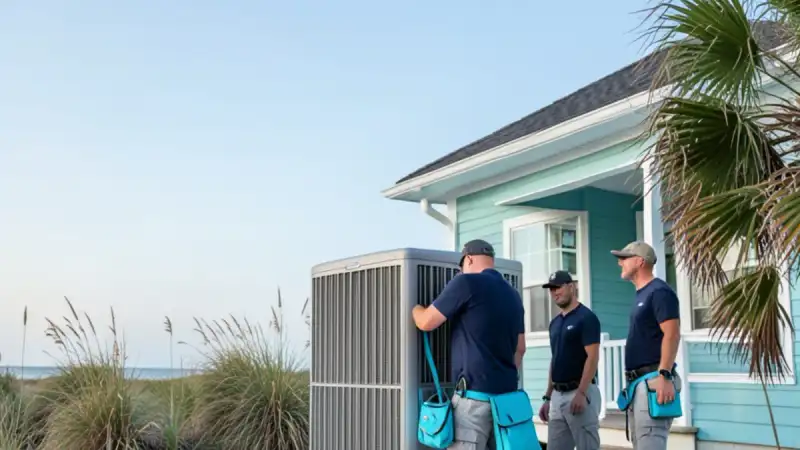
| Coastal exposure | Outdoor coil works all year in salt air | Condenser works summers only; the furnace sits indoors |
| Service needs | Two seasons of wear on one outdoor unit | Separate fall and spring checks |
What makes South Carolina different?
Three local facts tilt this decision.
Most homes already run on electricity. EIA's 2023 state data shows about 71% of South Carolina households heat with electricity and about 23% with natural gas. Many houses have no gas line, so a gas furnace would mean adding one first.
Gas may not reach your address. Do not assume service is on your street, even if a neighbor across town has it. Ask the gas utility for your area, and ask what a new connection would involve, before you price a furnace. Propane is an option in some rural spots, with a tank and a supplier to manage.
Cooling drives the bill. NOAA's 1991-2020 normals put Charleston International Airport at 64.3 days a year at or above 90°F. Any system you buy has to handle humidity well in July, so plan for summer first, then choose the heat source.
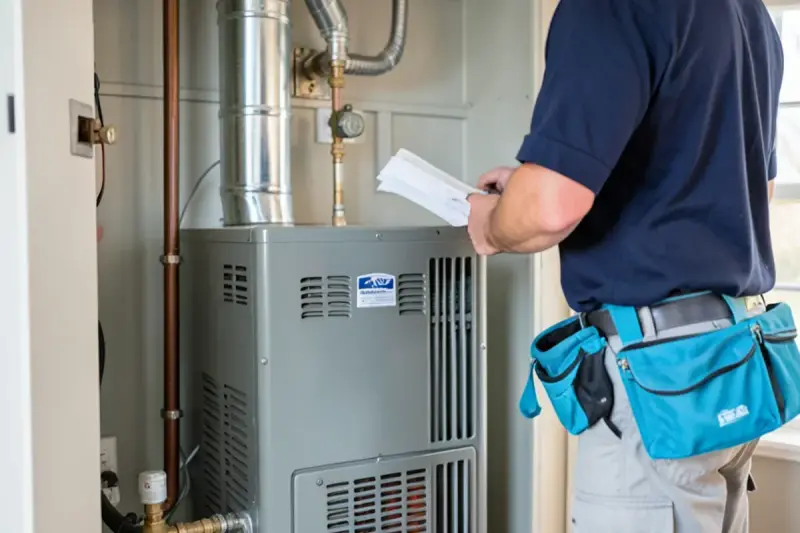
How does a heat pump handle a cold morning?
It handles most of them fine, and it has help for the rest. As outdoor temperatures fall, a heat pump delivers less heat, so most central systems here carry electric backup strips in the air handler. Those strips work, but they use far more electricity than the heat pump itself.
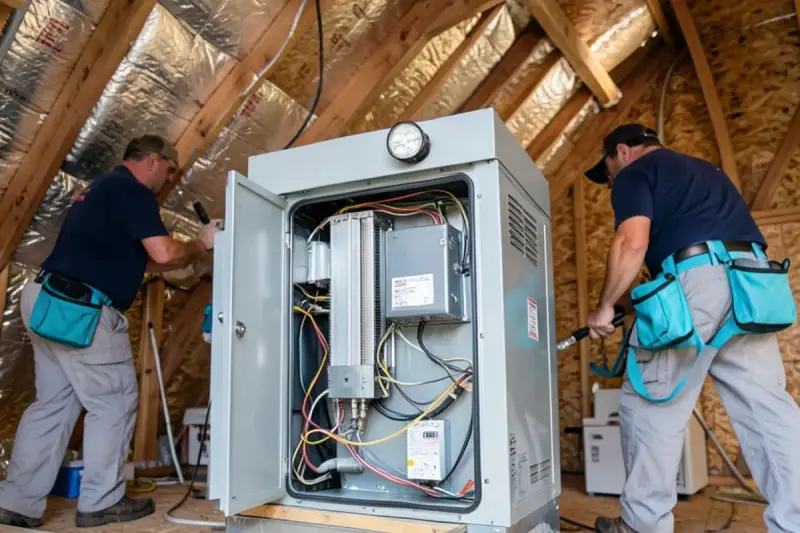
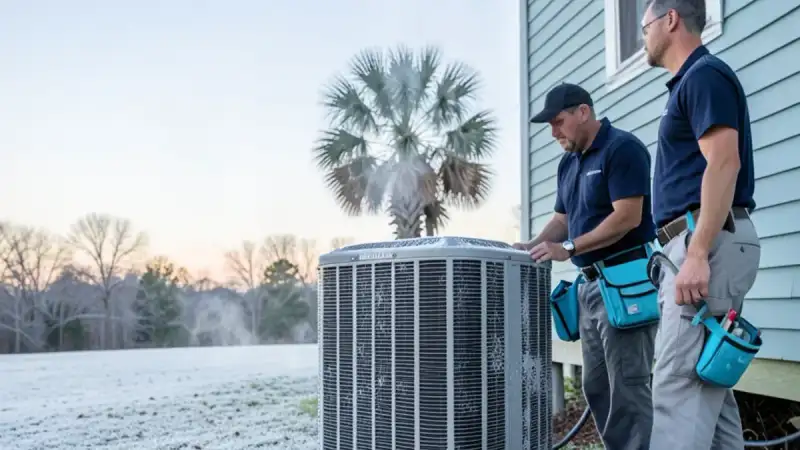
You will also see the outdoor unit go through defrost on damp, cold mornings. It may steam a little, and the fan may stop for a few minutes. That is normal. If the unit stays iced over, shut it down and call for service.
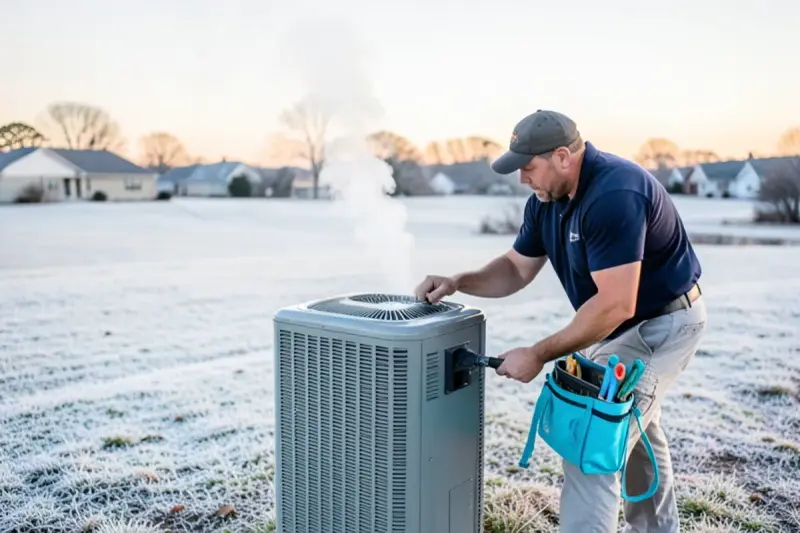
Keep overnight setbacks modest in cold snaps. A big morning recovery can bring on the strips and cost you more than the setback saved.
Why might Summerville lean differently than the coast?
Inland nights run colder. NWS freeze data shows an average first freeze of November 12 at Summerville 4 W, about seven weeks earlier than downtown Charleston. In Summerville, that means more defrost cycles and more hours on backup heat than a house near the harbor would see.
That does not rule out a heat pump. It does mean that system sizing and backup heat deserve real attention in inland Dorchester County. The town also has an upside the coast does not: less salt on the outdoor coil, so a unit working all year faces less corrosion than one at the beach.
When does a furnace still make sense?
A furnace still makes sense in a few clear cases:
- Gas is already at the house and the furnace is in sound condition
- The ductwork was sized for furnace airflow, and upsizing it is not practical
- You want hotter supply air and accept the separate AC
- You want a dual-fuel setup, where a heat pump handles mild days and gas takes over in the cold
If your furnace is electric, the picture changes. An electric furnace uses the same kind of heat as backup strips, so it costs more to run than a heat pump for the same warmth. Dominion Energy South Carolina has offered a rebate for electric furnace to heat pump swaps, so confirm the terms on Dominion's page. The federal 25C credit no longer applies to property placed in service after December 31, 2025, and the state's HEAR and HOMES programs have income limits, so check the SC Energy Office for their status.
How do the efficiency numbers compare?
Not directly, and that trips up a lot of shoppers. AFUE, HSPF2 and SEER2 measure different things, so a bigger number on one label does not beat a smaller number on another.
- AFUE says what share of the fuel a furnace turns into heat. An 80% furnace loses the rest up the flue.
- HSPF2 rates a heat pump's seasonal heating output for the electricity it uses. The federal floor is 7.5 for split systems.
- SEER2 rates seasonal cooling, on the 2023 test. The Southeast floor is 14.3 for smaller split systems.
To compare running cost, you need your local rates for electricity and gas, and those vary by utility and by season. Ask for the math on your own bills. A heat pump usually moves more heat than the electric energy it uses, which is why it beats electric strips or an electric furnace by a wide margin. Against gas, the answer depends on your rates and how cold your winter runs.
What changes if you switch from a furnace to a heat pump?
More than the outdoor unit. Plan for these before you sign.
- Check the ducts. Heat pumps deliver cooler air at higher volume than a gas furnace, so an undersized return can leave rooms short.
- Check the electrical panel. Backup strips draw serious power, and an older panel may need work.
- Decide what happens to the gas line. If it serves nothing else, ask how it will be capped and whether your gas account needs closing.
- Remove or cap the old flue. An unused flue can leave an opening in the roof or wall that needs sealing.
- Reset your expectations. Air at the register feels milder than furnace air, and that is normal.
Dominion Energy South Carolina is reported to offer a rebate for electric furnace to heat pump swaps, so check its page before you budget. The rebate rules are specific, and reports say the equipment has to go in first.
Is dual fuel worth it here?
It suits a narrow set of homes. Dual fuel pairs a heat pump with a gas furnace, so the pump handles mild days and gas takes the cold mornings. Near the coast, you would rarely see the furnace run, so it can be hard to justify. Inland around Summerville, where freezes come earlier, it makes more sense if gas is already at the house and the furnace still has years left in it.
What we tell customers choosing between the two
Pick the system that suits the house you have, not the one a neighbor bought. Start with three plain checks: what fuel reaches the address, what shape the ducts are in, and how old the AC is. If your AC and furnace are both near replacement, a heat pump avoids buying two machines. If the AC is fairly new and the furnace is fine, there is no rush.
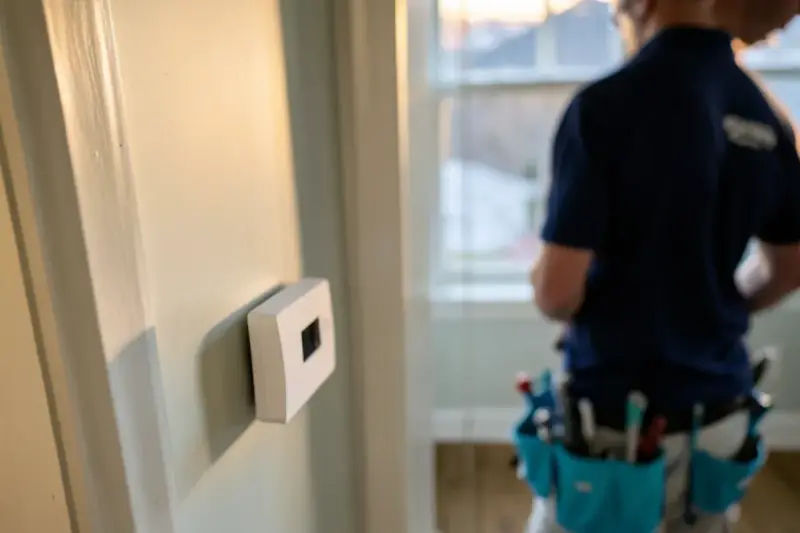
Ask for a load calculation either way. Manual J is the trade's method for working out how much heating and cooling a house needs, and it applies to both options. Oversizing causes comfort and humidity trouble with either one.
Our heat pump installation and furnace replacement pages lay out what each job involves. We are based in Charleston, we handle both kinds of system, and we quote before work begins. If you already have a heat pump that is struggling, start with heat pump repair before you price a new one.
Related questions
Will a heat pump keep up on a cold Summerville morning?
Usually, with some help on the coldest hours. NWS data puts Summerville 4 W's average first freeze at November 12, earlier than the coast, so a heat pump there works harder and defrosts more often than one downtown. Backup heat covers the gap. Sizing the system for your home with a Manual J load calculation is what keeps that backup use reasonable.
Does natural gas reach my address?
Maybe, and you need to check before you plan around it. Gas service is not available at every address in South Carolina, and many homes here have no line at all. Ask the gas utility that serves your area whether service reaches the street and what a new connection would involve. Your contractor cannot confirm that for you.
Is a heat pump the same as a mini split?
Not exactly. A mini split is one type of heat pump that moves heat through refrigerant lines to wall units with no ducts. A central heat pump uses your ductwork and an air handler. Both work on the same principle, so your choice depends on the ducts you have and how the house is laid out.