
Signs Your Ductwork Is Leaking Conditioned Air
Leaky ducts rarely announce themselves. These are the signs to look for, what they mean and when sealing beats a new system.
- 4.9★ on Google (16 reviews)
- Open 24 hours, 7 days
- Clear, upfront quotes
By the Aero Air Techs team. Published October 30, 2026, updated October 31, 2026.
The clearest signs of leaky ducts are high summer and winter bills, rooms that never reach temperature and flexible ducts you can see are kinked or tangled. Those three come straight from ENERGY STAR. Add extra dust, musty air and a system that seems to run forever, and have the ductwork checked before you blame the equipment.
Ducts are worth the attention. ENERGY STAR says about 20 to 30 percent of the air moving through a typical duct system is lost to leaks, holes and poor connections. You are paying to cool that air, and in many homes it ends up in the attic, the crawl space or under the house.
Which signs of leaky ducts can you spot at home?
You can check most of these without tools. One sign proves little. Three or four together make a strong case.
| What you notice | What it can mean | What else could cause it |
|---|---|---|
| High bills in summer and winter | Conditioned air escaping | Aging system, thermostat habits |
| One room always hot or cold | Leak or crushed run to that room | Blocked register, sun exposure |
| Upstairs far warmer than down | Attic duct losses | Weak insulation, a single-zone system |
| Dust settling fast | Return leak pulling in dirty air | Worn filter, poor filter fit |
| Musty smell when the system starts | Return pulling crawl space air | Wet drain pan, a dirty coil |
| Whistling or rattling near a run | Air forcing through a gap | Undersized return, loose grille |
| System runs nearly nonstop | Leaks working against the cooling | Low refrigerant, wrong sizing |
| Damp spots on ceilings or floors | Sweating duct from missing insulation | Roof leak, clogged drain line |
A supply leak and a return leak cost you in different ways. A supply leak throws away air you already paid to cool, so rooms fall short. A return leak pulls in air from wherever the gap sits, and the system has to cool and dry it. That second kind sits behind many dust and odor complaints, because attic or crawl space air gets drawn straight into the house.
How do you check ductwork without opening anything?
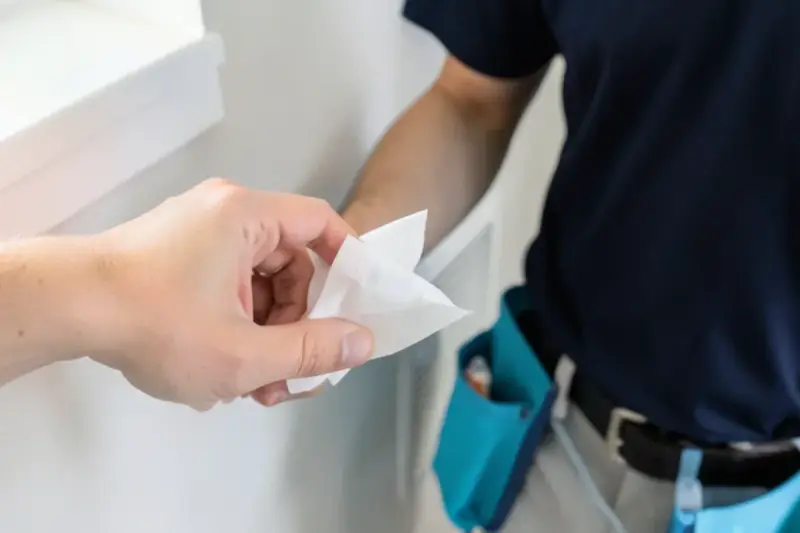
Start with what you can see from a safe spot. ENERGY STAR points to ducts in attics, crawl spaces and garages as common places to look, and to vent and register connections as common spots for leaks.
- Take a walk with the system running. Hold a hand near each register and note the weak ones.
- Look at the registers. Dark, dusty lines around a grille can show where air is moving through a gap.
- Use a flashlight in the attic hatch. Look from the opening for flattened, kinked or disconnected runs. Do not step off the walkway or the joists.
- Look at the crawl space or under the house. Hanging ducts, torn jackets and wet insulation are all easy to see.
- Listen near the air handler. A whistle or a sucking sound at the cabinet often points to a leak at the plenum.
Stop if you find old white or gray fibrous wrap on older ductwork. Do not disturb it. Have it identified first, since some older duct wraps contained asbestos.
Why do raised Folly Beach homes leak differently?
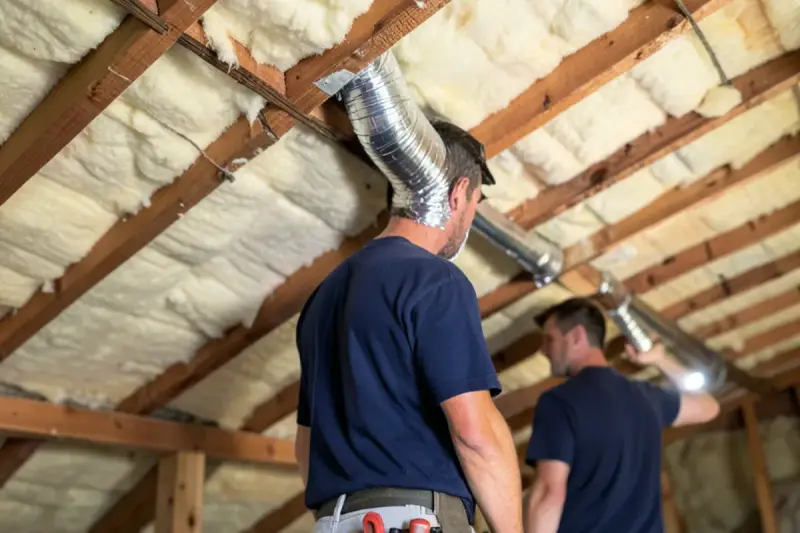
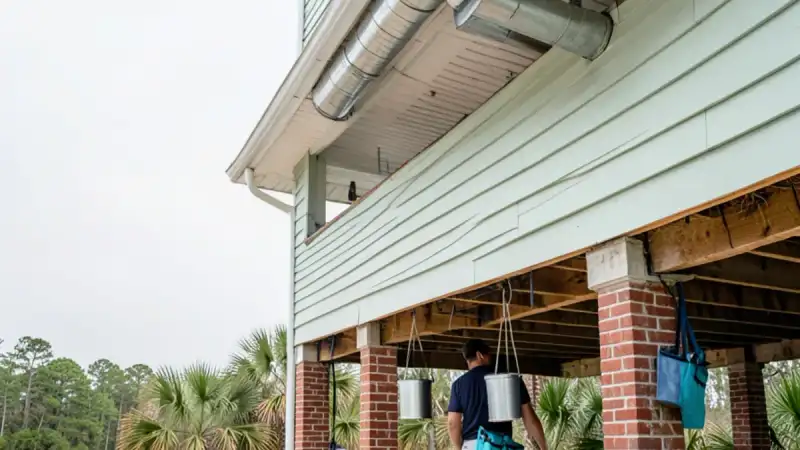
Because the ducts may live outdoors in all but name. Many elevated houses on Folly Beach run ductwork in the floor system or under the house, where wind, salt air and storm water can reach it.
Three things go wrong there.
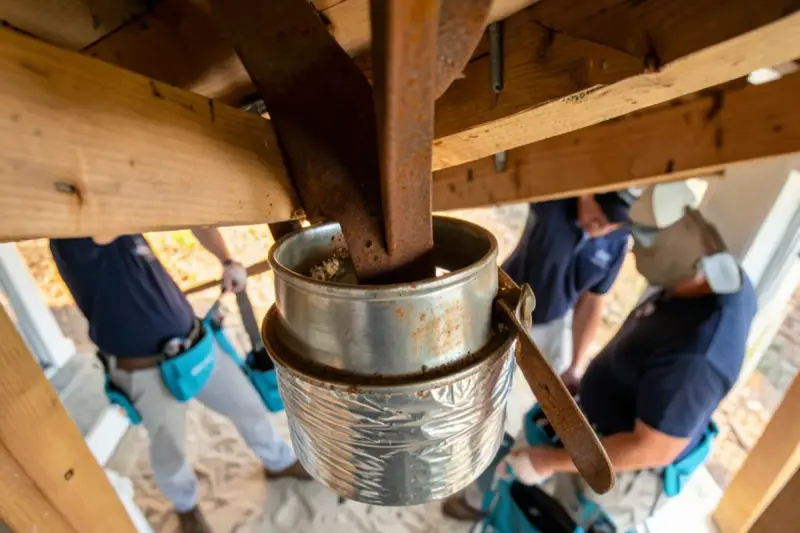
- Corrosion. Metal straps, collars and fasteners can rust in salty air, and a run that sags will open at the joint.
- Physical damage. Storm debris, animals and work under the house can tear flex duct jackets.
- Wet insulation. Insulation that gets soaked stops insulating and can hold moisture against the duct.
On the return side, a leak pulls in humid outdoor air instead of room air. Your system then has to dry that air too, which is part of why a coastal home can feel clammy while the AC keeps running.
What can a technician test that you cannot?
A flashlight finds the big failures. It will not measure total leakage. These are the normal trade methods for finding the rest.
- Duct leakage test. A calibrated fan pressurizes the sealed duct system and measures how much air escapes.
- Airflow readings. Measuring at registers shows which rooms are short.
- Static pressure test. This shows if the ducts are restricting the blower.
- Smoke or fog test. A visible stream shows exactly where air leaves a joint.
Ask any contractor what they will test, what number they expect to reach and how they will show you the result. If someone proposes a new system to solve a comfort complaint and has not looked at the ducts, ask why.
Can sealing fix it, or do the ducts need replacing?
Often sealing is enough. Joints, boots and collars are the usual leak points, and ENERGY STAR names mastic sealant or metal tape for the job. It also warns against duct tape, because it does not last.
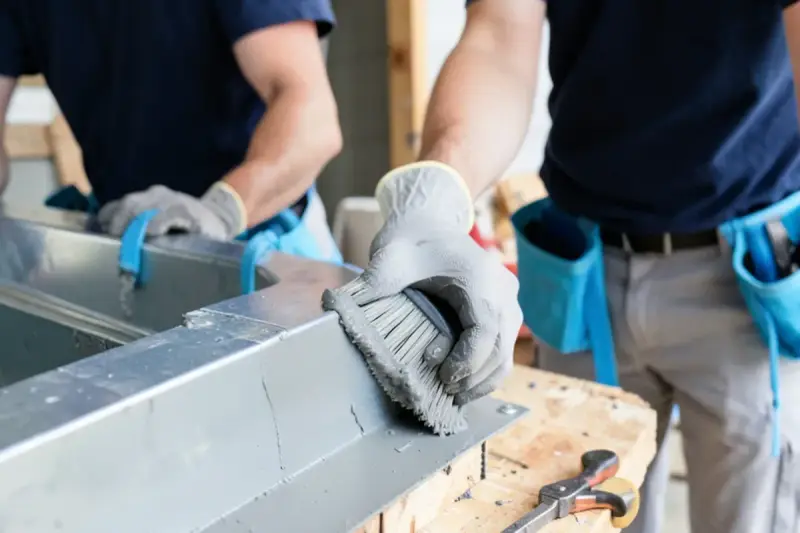
Replacement makes more sense when flex duct is torn or crushed, insulation has been soaked, sections were undersized from the start or the layout never worked. Our page on duct repair and replacement walks through both paths. Sealing also pairs well with insulating ducts in unconditioned spaces, which ENERGY STAR recommends for accessible runs.
What does a duct leak do to your house?
More than raise the bill. Supply leaks push cooled air into the attic or crawlspace, and return leaks pull hot, damp air in from those same spaces. In a Charleston summer, that second problem matters most, because it adds a moisture load the AC was never sized for.
You may notice these effects together.
- The house feels clammy at the set temperature. Humid air is slipping into the return.
- The system runs longer. It is fighting attic heat along with the house.
- Dust builds up faster. Leaky returns pull in insulation and crawlspace dirt.
- Pressure shifts. Rooms can pull outdoor air through gaps when the system runs.
- Coils can freeze or sweat. Airflow problems show up at the equipment first.
DOE warns that duct losses can reach 30% or more when ducts are leaky, poorly insulated and outside the living space, which is a common layout around here.
Which fix is right for which leak?
Match the repair to what failed, since each kind of damage has its own answer.
| What you find | Usual repair | Note |
|---|---|---|
| Loose joint | Reconnect, strap and seal with mastic | Cloth duct tape does not last |
| Torn jacket on flex | Patch or replace that length | Check the inner liner too |
| Crushed or kinked run | Reroute and support it | Airflow may be the bigger gain |
| Wet insulation | Replace the section | Find the water source first |
| Leaky air handler cabinet | Seal the seams and panels | Often overlooked |
| Undersized return | Add return capacity | Sealing alone will not fix this |
What should you expect after the repair?
You should notice the change, and you can measure it. Ask the technician for a before-and-after static pressure or leakage reading, so you know the work did something. Rooms should even out, and the system should run shorter cycles on the same day's weather.
Watch your next two power bills against the same months last year, because a hot summer can hide the savings. If a room still lags, the cause may be a blocked return or a design limit, and that is worth a second look.
Keep the test results and photos with your equipment records. They also help the next owner or technician understand what was done, and which runs have already been sealed.
How we would approach a duct complaint
Look at the ducts before you price new equipment. A new AC connected to leaking ducts still loses the same air, and it may not fix the room you called about.
Fix the moisture before you fix the dust. If dust or a musty smell is the complaint, find the leak or the wet spot first. An air duct cleaning will not stop a return leak from pulling in more of the same.
Separate the humidity problem from the leak problem. Sealing helps, but a house that stays sticky after the ducts are tight may need whole home dehumidifier work.
From our Charleston base, Aero Air Techs serves Folly Beach and the surrounding areas. Expect a clear, upfront quote before any duct work starts.
Related questions
How much air do leaky ducts lose?
ENERGY STAR says about 20 to 30 percent of the air moving through a typical duct system is lost to leaks, holes and poor connections. Your house may be better or worse. A duct leakage test is the way to find out, and it gives you a number to compare after any repair.
Can I seal ducts myself?
You can seal joints you can reach safely with mastic or metal tape, which is what ENERGY STAR suggests. Never use cloth duct tape, since it does not last. Leave anything under a raised floor, on a steep attic run or wrapped in old fibrous material to a professional, and do not disturb old wrap.
Should I replace ducts or just seal them?
Seal them if the runs are sound and the problem is at joints and connections. Replace them if flex duct is torn, crushed or wet, or if insulation has been soaked. On a raised Folly Beach home, ducts exposed under the floor often need a closer look after a storm or a high water event.
Sources
Services this guide relates to
Duct Repair and Replacement
Leaks sealed and failed runs rebuilt in attics and crawl spaces, with airflow checked.

Air Duct Cleaning
A look inside first, with cleaning quoted only when debris or vermin justify it.

Whole Home Dehumidifiers
Humidity control for sticky Lowcountry homes, after the AC and ducts are checked.